

 Gain access now

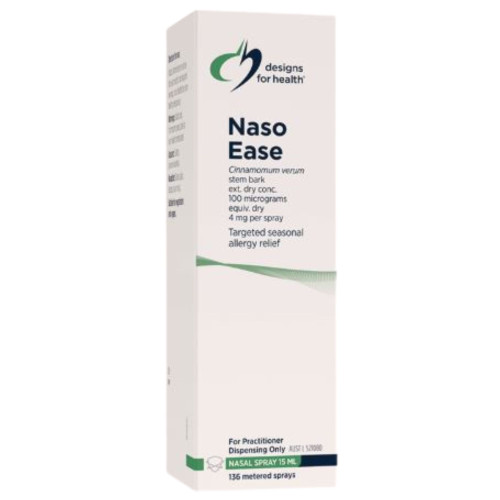
Intranasal spray containing a standardised extract of Cinnamomum verum bark, providing NLT 40%
polyphenols
- Clinically studied in Australia in individuals with seasonal allergic rhinitis
- Convenient intranasal dosing (4 sprays daily)
- Local nasal delivery targets the nasal mucosa, the primary site of allergic inflammation in seasonal
- allergic rhinitis
- Ceylon cinnamon bark procured from the coastal belt of Sri Lanka
Allergic Rhinitis: Clinical Overview
Allergic rhinitis (AR) is a common chronic inflammatory condition of the upper airways characterised by an immunoglobulin E (IgE)-mediated immune response in the nasal mucosa following exposure to inhaled allergens, including pollens, dust mites, mould spores and animal dander. Allergen exposure activates antigen-presenting cells and T-helper lymphocytes, stimulating IgE production and mast cell degranulation. This immune cascade results in the release of inflammatory mediators such as histamine, leukotrienes and cytokines, leading to the characteristic nasal symptoms associated with allergic rhinitis. Inhaled allergens trigger antigen presentation and Th2 lymphocyte activation, leading to IgE production and mast cell sensitisation. Subsequent mast cell degranulation releases inflammatory mediators responsible for early allergic symptoms, followed by cytokine-driven recruitment of inflammatory cells in the late phase response.
Inhaled allergens trigger antigen presentation and Th2 lymphocyte activation, leading to IgE production and mast cell sensitisation. Subsequent mast cell degranulation releases inflammatory mediators responsible for early allergic symptoms, followed by cytokine-driven recruitment of inflammatory cells in the late phase response.
Prevalence and Burden
Allergic rhinitis is one of the most prevalent chronic airway diseases worldwide, affecting approximately 10–30% of the global population.6 In Australia, prevalence is estimated at around one in four individuals (approximately 24% of the population), representing more than 6 million people according to data from the Australian Bureau of Statistics National Health Survey.4 Beyond nasal symptoms, allergic rhinitis may impair sleep, concentration and daily functioning, and is associated with increased healthcare utilisation and reduced work productivity.
Clinical Presentation
Clinically, allergic rhinitis can be classified according to allergen exposure patterns and symptom frequency and severity. Symptoms may occur seasonally, typically in response to pollens from grasses, trees or weeds, or persist year-round when triggered by indoor allergens such as dust mites or animal dander.
Clinical Study
A standardised polyphenol-rich extract of Cinnamomum verum bark has been evaluated in a randomised, double-blind, placebo-controlled clinical study in individuals with seasonal allergic rhinitis. In this Australian study, an intranasal formulation containing the standardised cinnamon bark extract was assessed for safety and efficacy in reducing symptoms associated with seasonal allergic rhinitis and improving quality-of life measures.
Cinnamon Bark (Cinnamomum verum)
Cinnamomum verum (true or Ceylon cinnamon) is an aromatic tree native to Sri Lanka and parts of Southeast Asia. The dried inner bark has been used traditionally in culinary and herbal preparations and is characterised by a complex phytochemical profile rich in polyphenolic compounds, including proanthocyanidins and other phenolic constituents. Cinnamon bark contains a range of polyphenolic compounds including procyanidin oligomers and other phenolic constituents, which have been investigated for their interactions with inflammatory and immune pathways relevant to allergic conditions.
Polyphenols and Allergic Responses
Polyphenols are a diverse group of plant-derived compounds widely distributed in fruits, vegetables, herbs and spices. Major polyphenol classes include flavonoids, phenolic acids and proanthocyanidins, which contribute to the bioactive properties of many botanical foods and extracts. Dietary polyphenols have been investigated for their interactions with biological pathways involved in inflammatory and immune responses. In the context of allergic disease, research suggests that certain polyphenolic compounds may influence signalling pathways associated with immune cell activation and mediator release during allergic responses. Experimental and clinical studies have examined a range of polyphenols in relation to allergic conditions, including resveratrol, quercetin and procyanidins, which occur naturally in plant sources including apples, grape seed and cinnamon bark. Preclinical research has also explored procyanidins, a class of polyphenols present in cinnamon and other botanical sources. Experimental studies suggest these compounds may interact with immune pathways involved in allergic responses, including processes associated with IgE-mediated mast cell activation.
INTRANASAL DELIVERY
Intranasal delivery is commonly used in the management of upper respiratory conditions as it enables direct application of therapeutic agents to the nasal mucosa, the primary site of inflammation in allergic rhinitis. The nasal cavity provides a highly vascularised epithelial surface with a large absorptive area, allowing locally administered substances to interact directly with mucosal tissues involved in allergic responses. Local delivery to the nasal mucosa enables targeted exposure at the site where allergen-induced immune activation occurs, including mast cell activation and inflammatory mediator release. Intranasal delivery systems are therefore widely used in the clinical management of allergic rhinitis to deliver therapeutic agents directly to the nasal passages. The nasal route also avoids first-pass hepatic metabolism, allowing compounds to interact directly with nasal mucosal tissues. In clinical practice, intranasal therapies are commonly utilised to support the management of symptoms associated with allergic rhinitis, including sneezing, nasal congestion, rhinorrhoea and nasal itching.
Directions to use: -
Adults: Administer one spray into each nostril, morning and evening, or as directed by your healthcare professional.
How to Use:
- Shake well and prime pump prior to first use until a fine mist is released
2. Blow nose gently to clear nasal passages.
3. Insert spray tip into nostril and administer one spray while inhaling gently; repeat for the
opposite nostril.
4. Use twice daily (morning and evening) or as directed by your health professional.
Active Ingredients per spray (0.1 mL)
Cinnamomum verum (cinnamon) stem bark ext. dry conc. std. 100 micrograms equiv. min. dry 4 mg equiv. polyphenols
Excipients: Glycerol, menthol, sodium chloride, carmellose sodium, glacial acetic acid, purified water, sodium acetate, sodium bisulfite, sodium hydroxide.
Allergen Information
Contains: Sulfites (sodium bisulfite)
No added: Gluten, dairy, soy, or nuts.
Suitable for vegetarians and vegans.
Intranasal spray containing a standardised extract of Cinnamomum verum bark, providing NLT 40%
polyphenols
- Clinically studied in Australia in individuals with seasonal allergic rhinitis
- Convenient intranasal dosing (4 sprays daily)
- Local nasal delivery targets the nasal mucosa, the primary site of allergic inflammation in seasonal
- allergic rhinitis
- Ceylon cinnamon bark procured from the coastal belt of Sri Lanka
Allergic Rhinitis: Clinical Overview
Allergic rhinitis (AR) is a common chronic inflammatory condition of the upper airways characterised by an immunoglobulin E (IgE)-mediated immune response in the nasal mucosa following exposure to inhaled allergens, including pollens, dust mites, mould spores and animal dander. Allergen exposure activates antigen-presenting cells and T-helper lymphocytes, stimulating IgE production and mast cell degranulation. This immune cascade results in the release of inflammatory mediators such as histamine, leukotrienes and cytokines, leading to the characteristic nasal symptoms associated with allergic rhinitis. Inhaled allergens trigger antigen presentation and Th2 lymphocyte activation, leading to IgE production and mast cell sensitisation. Subsequent mast cell degranulation releases inflammatory mediators responsible for early allergic symptoms, followed by cytokine-driven recruitment of inflammatory cells in the late phase response.
Inhaled allergens trigger antigen presentation and Th2 lymphocyte activation, leading to IgE production and mast cell sensitisation. Subsequent mast cell degranulation releases inflammatory mediators responsible for early allergic symptoms, followed by cytokine-driven recruitment of inflammatory cells in the late phase response.
Prevalence and Burden
Allergic rhinitis is one of the most prevalent chronic airway diseases worldwide, affecting approximately 10–30% of the global population.6 In Australia, prevalence is estimated at around one in four individuals (approximately 24% of the population), representing more than 6 million people according to data from the Australian Bureau of Statistics National Health Survey.4 Beyond nasal symptoms, allergic rhinitis may impair sleep, concentration and daily functioning, and is associated with increased healthcare utilisation and reduced work productivity.
Clinical Presentation
Clinically, allergic rhinitis can be classified according to allergen exposure patterns and symptom frequency and severity. Symptoms may occur seasonally, typically in response to pollens from grasses, trees or weeds, or persist year-round when triggered by indoor allergens such as dust mites or animal dander.
Clinical Study
A standardised polyphenol-rich extract of Cinnamomum verum bark has been evaluated in a randomised, double-blind, placebo-controlled clinical study in individuals with seasonal allergic rhinitis. In this Australian study, an intranasal formulation containing the standardised cinnamon bark extract was assessed for safety and efficacy in reducing symptoms associated with seasonal allergic rhinitis and improving quality-of life measures.
Cinnamon Bark (Cinnamomum verum)
Cinnamomum verum (true or Ceylon cinnamon) is an aromatic tree native to Sri Lanka and parts of Southeast Asia. The dried inner bark has been used traditionally in culinary and herbal preparations and is characterised by a complex phytochemical profile rich in polyphenolic compounds, including proanthocyanidins and other phenolic constituents. Cinnamon bark contains a range of polyphenolic compounds including procyanidin oligomers and other phenolic constituents, which have been investigated for their interactions with inflammatory and immune pathways relevant to allergic conditions.
Polyphenols and Allergic Responses
Polyphenols are a diverse group of plant-derived compounds widely distributed in fruits, vegetables, herbs and spices. Major polyphenol classes include flavonoids, phenolic acids and proanthocyanidins, which contribute to the bioactive properties of many botanical foods and extracts. Dietary polyphenols have been investigated for their interactions with biological pathways involved in inflammatory and immune responses. In the context of allergic disease, research suggests that certain polyphenolic compounds may influence signalling pathways associated with immune cell activation and mediator release during allergic responses. Experimental and clinical studies have examined a range of polyphenols in relation to allergic conditions, including resveratrol, quercetin and procyanidins, which occur naturally in plant sources including apples, grape seed and cinnamon bark. Preclinical research has also explored procyanidins, a class of polyphenols present in cinnamon and other botanical sources. Experimental studies suggest these compounds may interact with immune pathways involved in allergic responses, including processes associated with IgE-mediated mast cell activation.
INTRANASAL DELIVERY
Intranasal delivery is commonly used in the management of upper respiratory conditions as it enables direct application of therapeutic agents to the nasal mucosa, the primary site of inflammation in allergic rhinitis. The nasal cavity provides a highly vascularised epithelial surface with a large absorptive area, allowing locally administered substances to interact directly with mucosal tissues involved in allergic responses. Local delivery to the nasal mucosa enables targeted exposure at the site where allergen-induced immune activation occurs, including mast cell activation and inflammatory mediator release. Intranasal delivery systems are therefore widely used in the clinical management of allergic rhinitis to deliver therapeutic agents directly to the nasal passages. The nasal route also avoids first-pass hepatic metabolism, allowing compounds to interact directly with nasal mucosal tissues. In clinical practice, intranasal therapies are commonly utilised to support the management of symptoms associated with allergic rhinitis, including sneezing, nasal congestion, rhinorrhoea and nasal itching.
Directions to use: -
Adults: Administer one spray into each nostril, morning and evening, or as directed by your healthcare professional.
How to Use:
- Shake well and prime pump prior to first use until a fine mist is released
2. Blow nose gently to clear nasal passages.
3. Insert spray tip into nostril and administer one spray while inhaling gently; repeat for the
opposite nostril.
4. Use twice daily (morning and evening) or as directed by your health professional.
Active Ingredients per spray (0.1 mL)
Cinnamomum verum (cinnamon) stem bark ext. dry conc. std. 100 micrograms equiv. min. dry 4 mg equiv. polyphenols
Excipients: Glycerol, menthol, sodium chloride, carmellose sodium, glacial acetic acid, purified water, sodium acetate, sodium bisulfite, sodium hydroxide.
Allergen Information
Contains: Sulfites (sodium bisulfite)
No added: Gluten, dairy, soy, or nuts.
Suitable for vegetarians and vegans.